Jobs Data Stretches Metals Downward
News
|
Posted 13/02/2026
|
1689
Bullion markets have undergone a sharp repricing, with gold pulling back towards its rising trendline. The move followed a stronger-than-expected US jobs report, reinforcing the view that the Federal Reserve may be less inclined to cut rates in the near term. Firm labour data pushed Treasury yields higher, reducing the relative appeal of non-yielding assets such as gold and triggering automated stop-loss selling once key technical levels gave way. The result was broad-based weakness across precious metals, with silver and platinum also recording sharp declines.
Attention has now shifted to upcoming inflation data, which should offer further guidance on the Fed’s policy path and help shape near-term bullion flows.
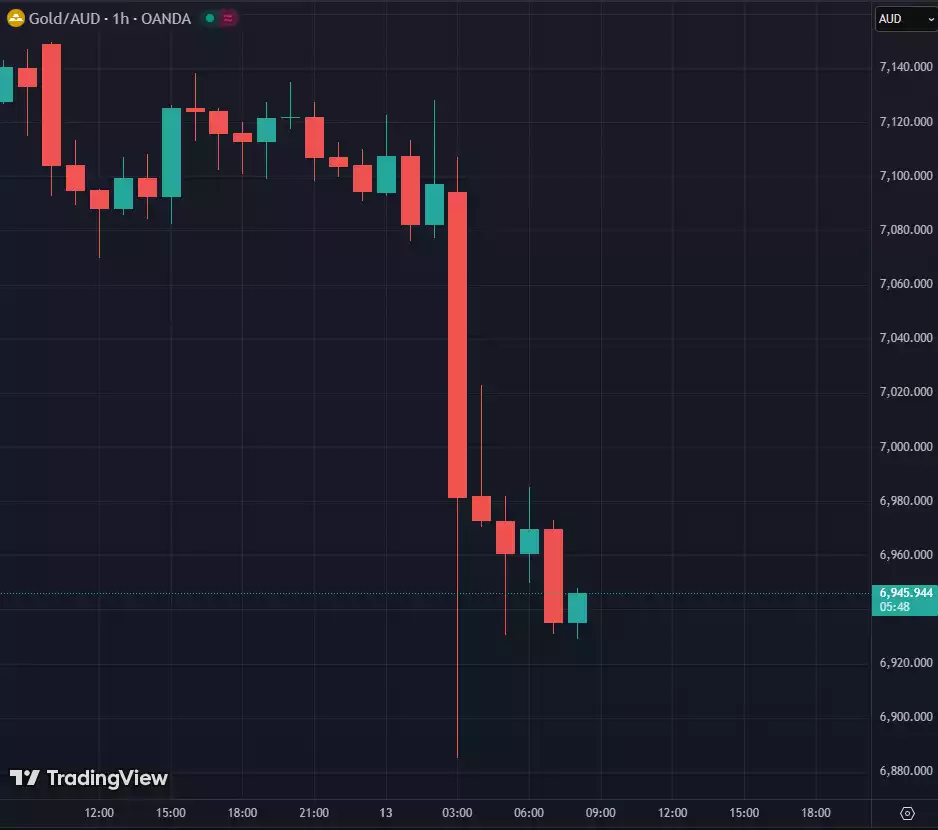
This pullback has not occurred in isolation. Equities and other commodities have also retreated in recent sessions, amplifying pressure on bullion as correlated liquidations moved through leveraged positions. Global indices have struggled for direction, and the mix of resilient macro data and tighter financial conditions has, for now, tempered safe-haven demand for gold.
Despite the setback, part of the move appears to reflect profit-taking after a period of exceptional gains earlier in the year. Prior to this correction, gold reached record highs, supported by geopolitical tensions and sustained investment inflows. From a technical perspective, pullbacks may attract longer-term buyers, particularly if macro conditions shift towards slower growth or renewed equity volatility. In the short term, however, traders remain highly sensitive to a crowded economic calendar.
In relative terms, gold has held its structure better than silver during this correction. That said, gold in AUD terms remains around 50% higher over the past year, while silver is up an extraordinary 108%, even after the latest dip. Gains of that magnitude inevitably invite volatility, particularly where leverage and profit-taking are involved.