FOMC in Focus: Will the Fed Weaken the Dollar to Help the Yen?
News
|
Posted 28/01/2026
|
1883
While the market is broadly pricing in a Fed pause at today’s meeting, it will be scrutinising every word of the press conference for clues around forward guidance and the potential for financial easing.
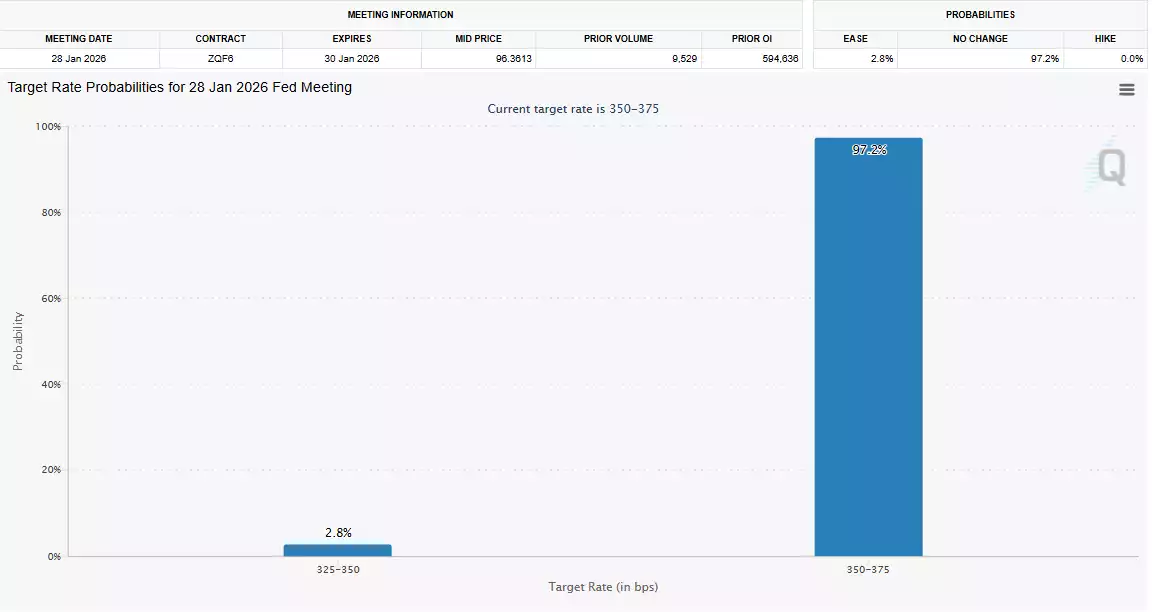
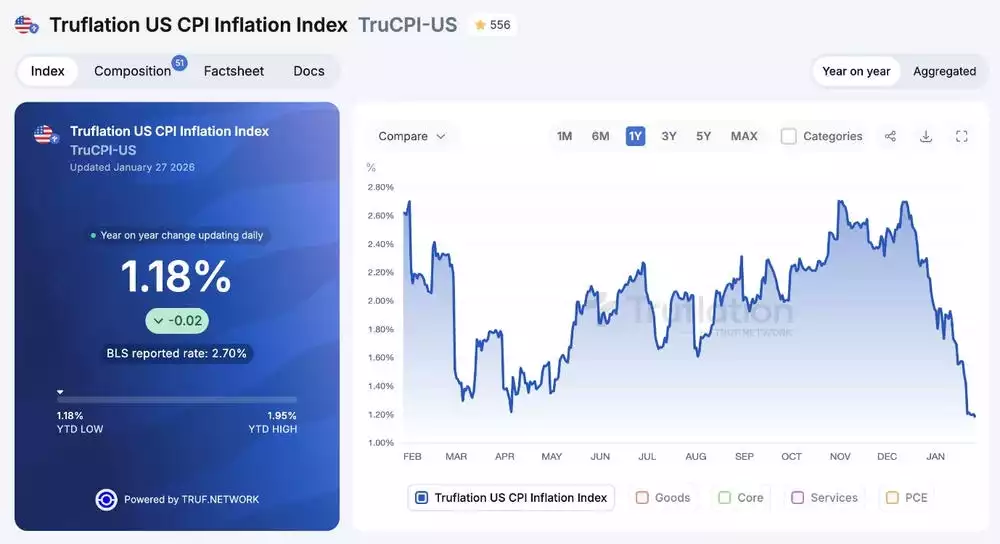
With unemployment edging higher and Truflation running well below the Fed’s 2% target, many are questioning why markets are not pricing in rate cuts—which, on the surface, appear not only appropriate but necessary under the Fed’s dual mandate of balancing inflation and employment.
The answer lies in the US bond market. Treasury yields remain stubbornly elevated amid ongoing geopolitical instability. High yields reduce the Fed’s incentive to lower policy rates, even in the face of rising unemployment and easing inflation.
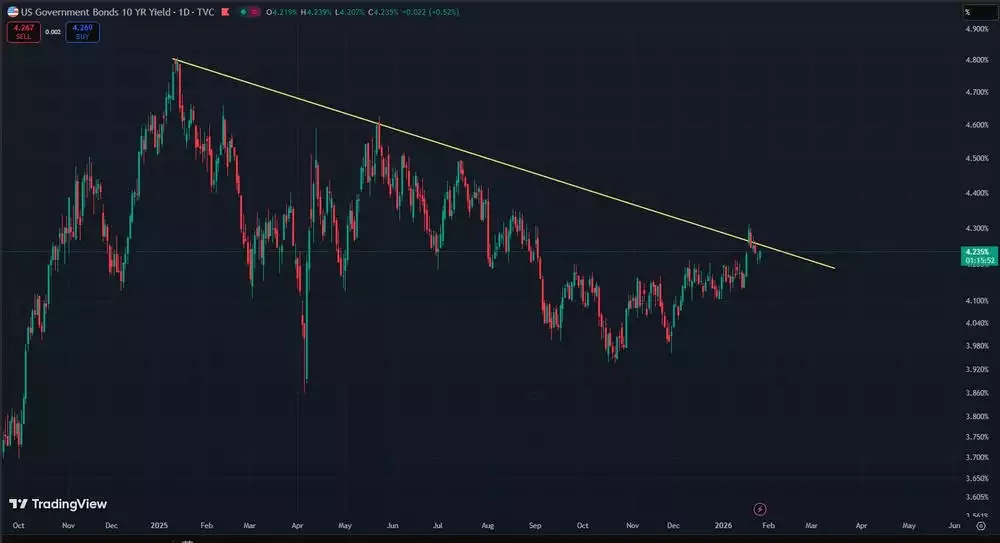
While the Fed can technically cut rates whenever it chooses, elevated bond yields limit the effectiveness of those cuts and can force the central bank to slow the pace of easing—or pause altogether. High yields also reflect the bond market’s aggregate expectations of future inflation and growth, meaning the Fed must proceed cautiously to avoid overheating the economy or undermining its credibility.
Although market-implied probabilities above 90% have historically proven reliable, no signal is perfect. The Fed could still tolerate looser policy if incoming economic data outweighs the scepticism embedded in bond yields.
All of this is highly relevant for the DXY, which has recently rolled over—both in line with broader macro cycle expectations and following a failed daily cycle peak on 3 December.
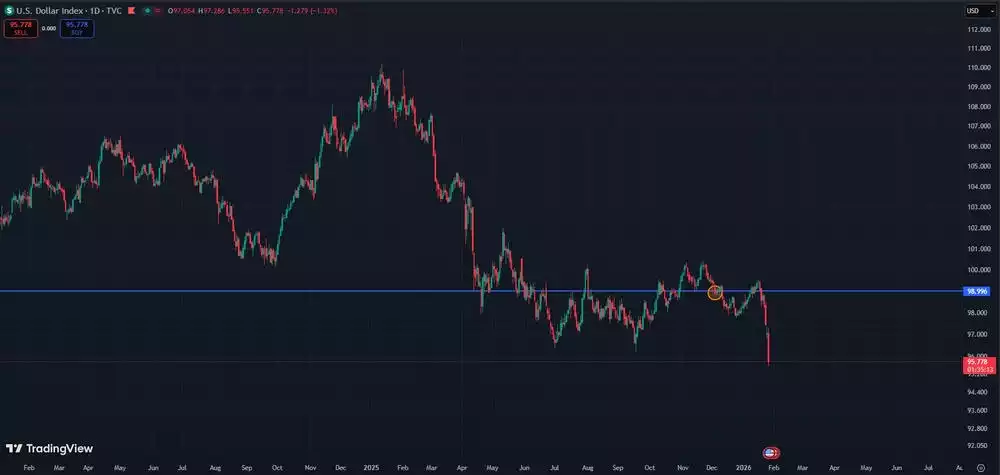
If the Fed ultimately cuts rates, the DXY’s downtrend is likely to accelerate. However, forward guidance may prove even more influential, particularly given growing speculation around potential yen–dollar intervention this week.
USD/JPY recently pushed beyond 159, driven by Japan’s reflationary policies and rising Japanese bond yields. Japanese officials have since signalled readiness to intervene, potentially in coordination with the US.
Any discussion of currency intervention is likely to feature in today’s Fed meeting. Should the US act alongside Japan, it would mark the first coordinated intervention in roughly 15 years.
Given the yen’s significant weighting within the DXY basket, even signalling a willingness by the Fed to sell dollars and buy yen could see the index fall sharply—not only through yen strength, but via a broader weakening of the US dollar against other major currencies.