Entrepreneurial Drought: What Australia Can Learn from the Canadian CGT Disaster
News
|
Posted 08/05/2026
|
2906
Key Takeaways:
- Canada raised its capital gains tax inclusion rate to 66.67% in 2024, and the results have been damaging: housing prices down 20%, unemployment at 6.7%, and net business creation now negative.
- Australia is debating whether to scrap or reduce the CGT discount across all assets, including shares, businesses, and gold.
- The demographic hit falls hardest on younger Australians, who invest in shares at higher rates than Baby Boomers and have less access to alternative wealth-building tools.
- Australia's economic profile closely mirrors Canada's, making the Canadian experience a relevant warning.
There is a lot of current conjecture as to whether the Albanese government will scrap the CGT discount, and whether that scrapping would apply only to housing or extend across all assets, including shares, businesses, and gold. The government argues the current discount creates "generational inequity." With CEOs, economists, and politicians arguing different sides, it might be worth looking at a real-world example of what happens when a government fiddles with this tax. Canada is that example.
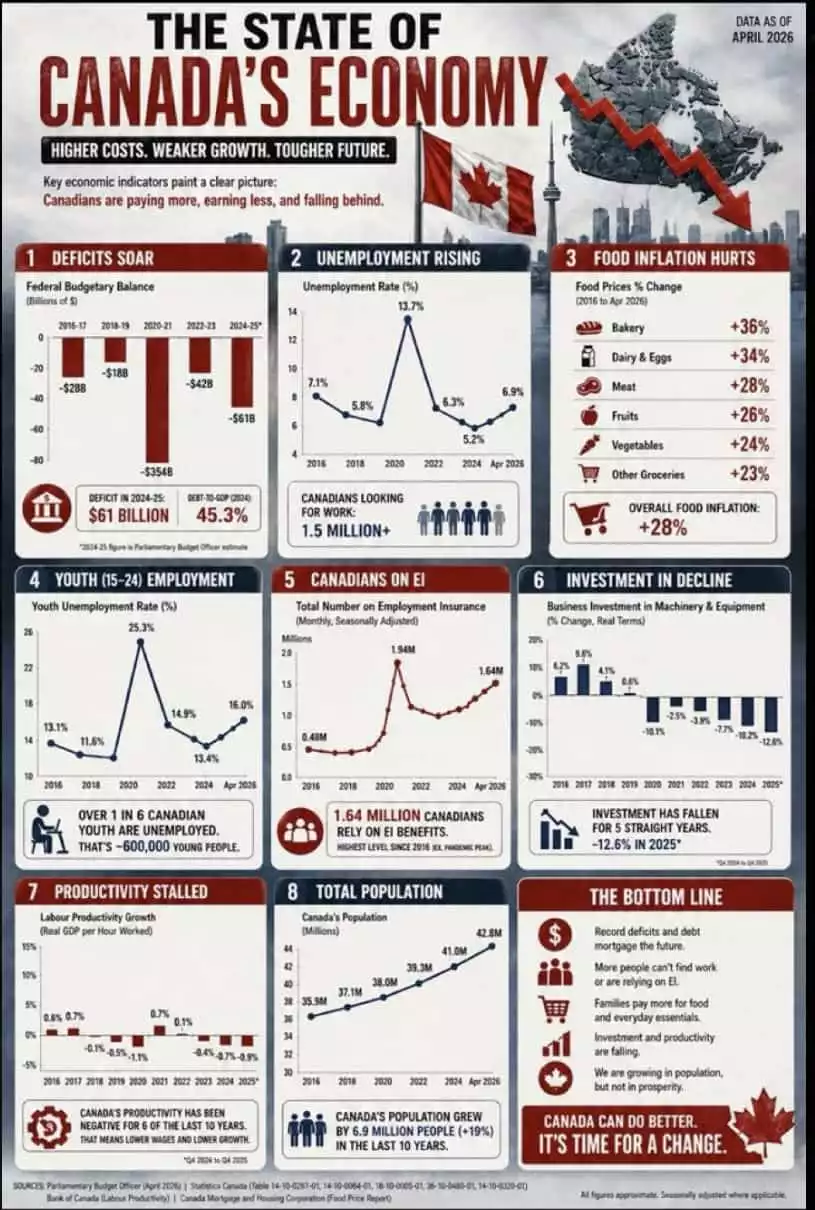
Canada shares a lot with Australia: high migration, a resource-driven economy, and falling productivity. They adjusted their CGT in 2024. Since then, housing prices have fallen 20%, more businesses are closing per year than opening, and unemployment has hit 6.7%. It is a useful map of the path Australia is considering.
Why Does Changing CGT Discourage New Businesses?
Who would start a business when the government takes the majority of your earnings after all the risks involved? Banks generally won't lend to a start-up without property as security. But why would you put your most secure asset up as collateral, only to earn the same after-tax return you could get from a salaried job — or better yet, a secure public sector role?
And consider who this affects. Baby Boomers own assets that will largely be grandfathered, and their superannuation is taxed at a maximum of 30%. The people who bear the real cost are younger Australians, who are actually investing in shares at higher rates than their parents. A recent survey by Stake found that 36% of Millennials and 32% of Gen Z investors hold shares, compared to 29% of Boomers. The opportunity to earn a return on risk and entrepreneurship has been reduced, in the name of fixing intergenerational equity.
Geoff Wilson, founder of Wilson Asset Management, has been direct on this:
"This isn't reform. It's a direct assault on aspiration, risk-taking and wealth creation."
"Younger Australians locked out of property and relying on equities and entrepreneurship get hammered hardest, while the government lectures about 'intergenerational equity'."
"Chalmers is burning the ladder while the boomers are at the top."

Canada: A Real-World Comparison
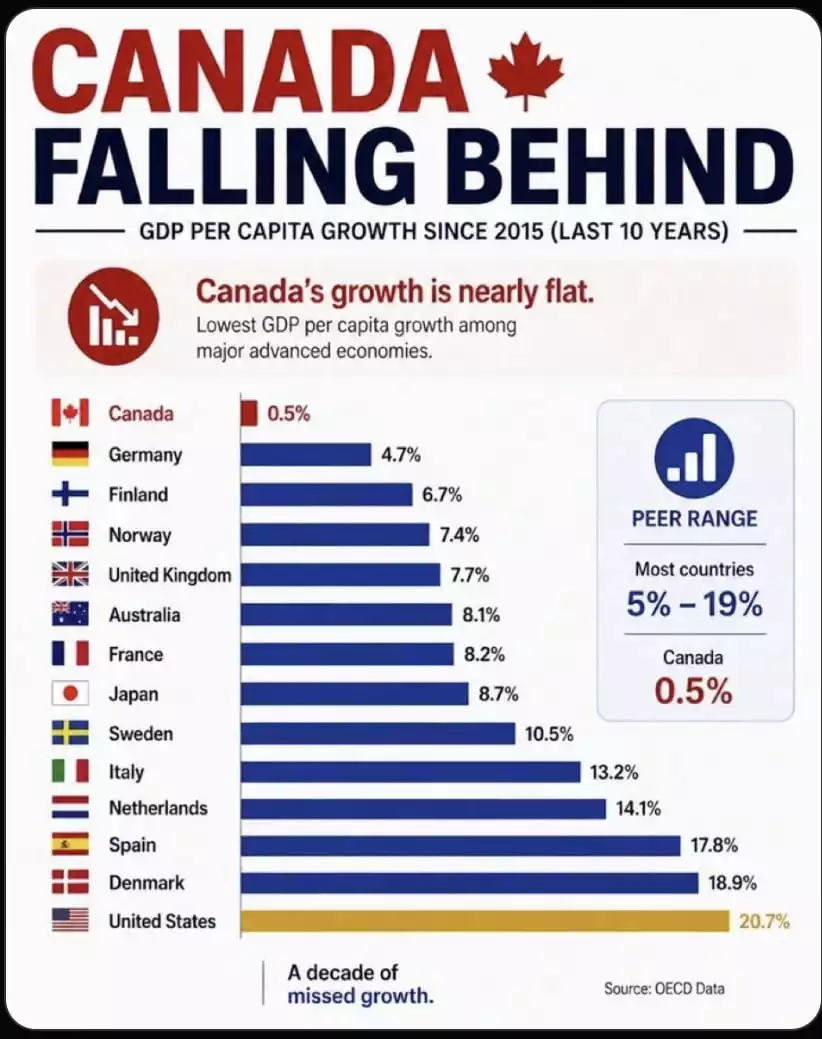
Canada's economy mirrors Australia's closely — a mining economy, high property prices, high immigration, and falling GDP per capita. The table below compares the two countries across key indicators.
|
|
Canada
|
Australia
|
|
Population
|
41.6 million
|
27.7 million
|
|
Resource sector % of GDP
|
5.5%
|
9.9%
|
|
GDP per capita growth % 2025
|
1.1%
|
-0.2%
|
|
Unemployment
|
6.7%
|
4.3%
|
|
Immigration % 2024
|
1.2%
|
1.6%
|
|
Immigration % 2025
|
0.9%
|
1.7%
|
|
Federal debt to GDP ratio
|
43%
|
35%
|
|
Government employees %
|
19.7%
|
17.7%
|
|
Inflation-adjusted house price growth 2025
|
-5%
|
2.6%
|
|
Self-employment %
|
12.8%
|
13.1%
|
Canada is roughly two years ahead of Australia in this trajectory, and that decline accelerated in June 2024 when the Trudeau government proposed raising the capital gains inclusion rate to 66.67%. The policy was implemented in January 2026.
Canada has also seen significant growth in public sector employment, contributing to regulatory drag that has pushed self-employment to 12.8%, the lowest in 45 years. Net business creation turned negative at the start of 2024, and more Canadian entrepreneurs are now starting businesses in the United States than in Canada.
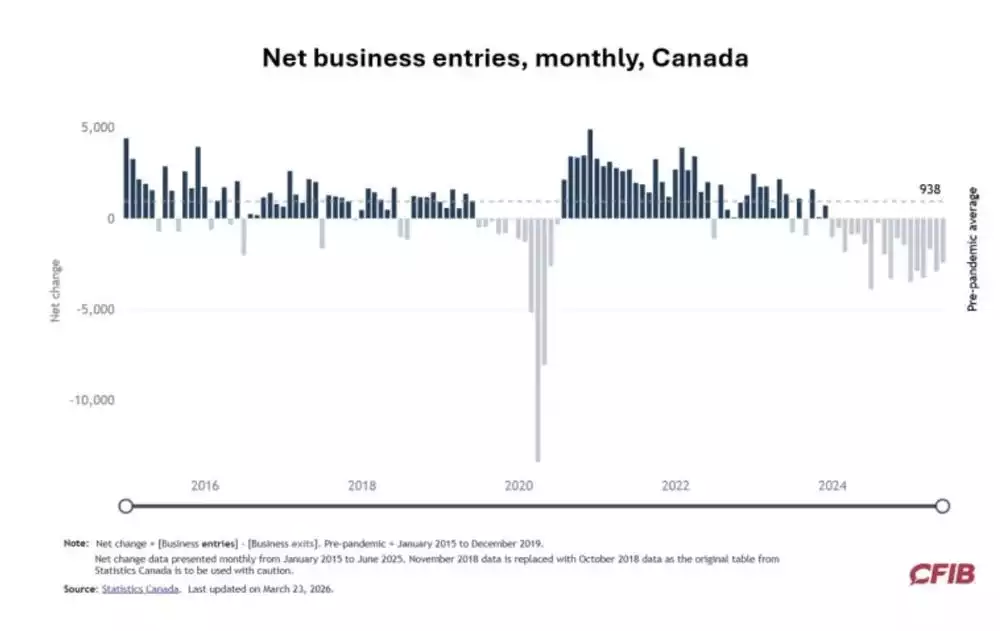
The road map is there. Canada is a clear example of what not to do.
This article is general information only and does not constitute financial advice. Past performance is not indicative of future results. Always conduct your own research or consult a licensed financial adviser before making investment decisions.
Explore gold and silver at Ainslie Bullion