Could Falling Bond Yields Drive Gold Higher In 2027?
News
|
Posted 14/10/2026
|
278
Key Takeaways
- Long dated US bonds are sitting in a major cycle low window, which could pull yields down.
- Falling yields and rates historically favour hard assets like gold and silver.
- The case is not settled: the Fed's own minutes still point to another hike.
Bond yields move inversely to bond collaterals, as collaterals rise, yields drop.
Interest rates move with bond yields, interest rates drop as yields drop.
Looking at US long dated bonds we can see they currently sit within their 7.5 year cycle low timing window, looking to confirm a major pivot, paving the way for (at the very least) a short period of upside in bonds, and therefore downside in yields and interest rates. The largest long dated Treasury ETF closed at US$78.05 on 12 October 2026 (BlackRock, 12 October 2026), after touching an all time low of US$76.76 earlier in the month, and money has kept flowing in on the way down (Benzinga via TradingView, 2 October 2026).
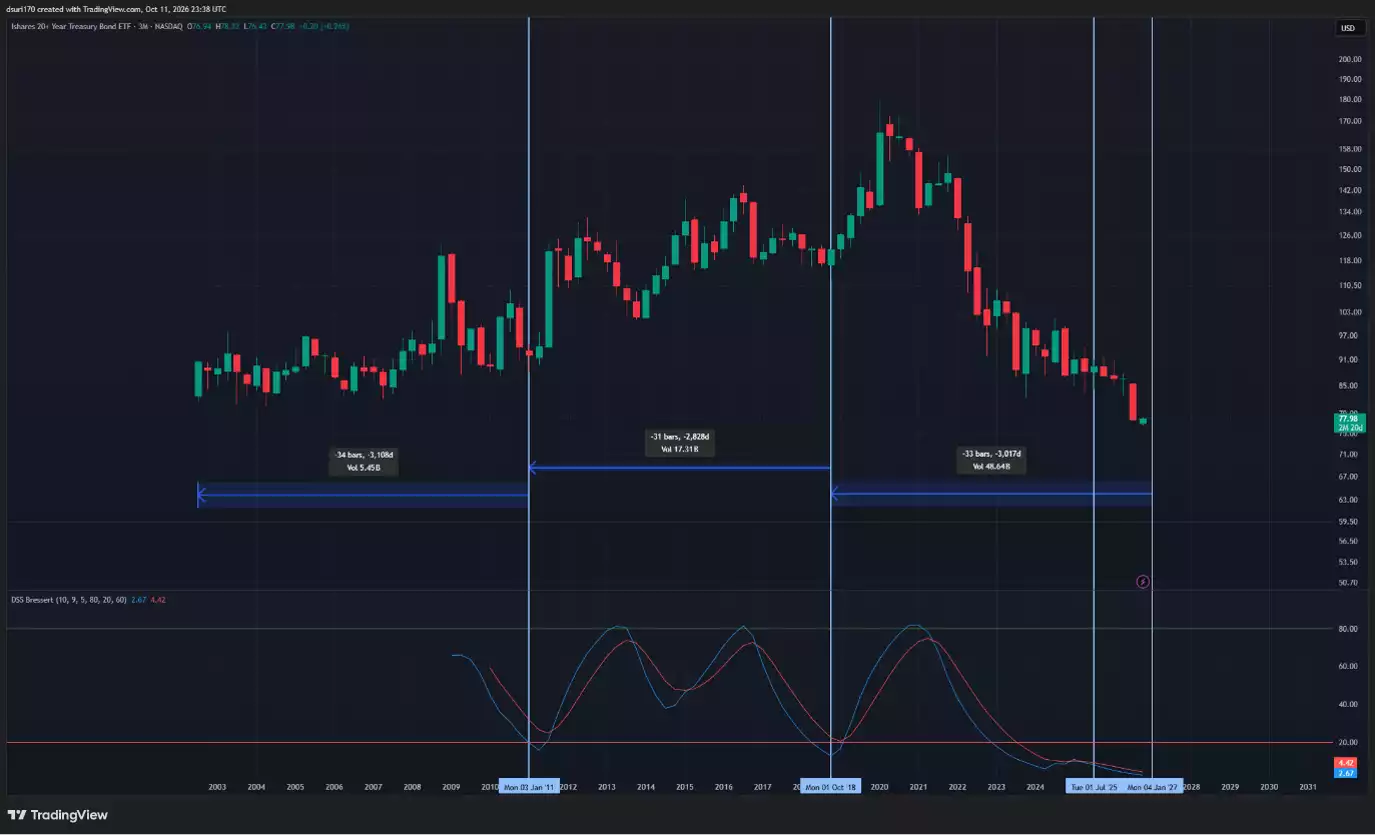
A swing low pattern, with a DSS bullish cross would confirm this macro low, and establish a (at the very least, short term) regime of falling yields and interest rates.
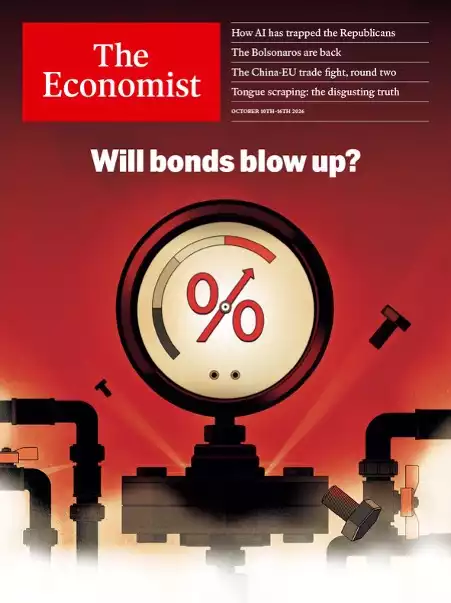
Meanwhile, sentiment on bonds is deeply negative, with negative mainstream media attention adding further confluence that we're at a macro low, and turning point. The Economist ran "Will bonds blow up?" as its cover on 10 October 2026, and that kind of cover has historically functioned as a contrary indicator (The Economist, 10 October 2026; Yardeni QuickTakes, 10 October 2026).
An environment of low yields and rates benefit hard assets as investors chase growth outside fixed income while monetary conditions simultaneously ease.
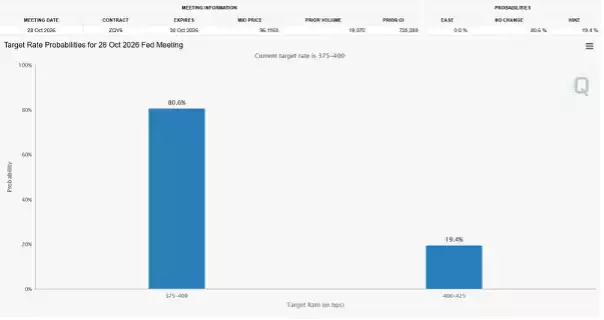
Market participants are currently watching this turning point in yields closely as they price in a high likelihood of no change at the upcoming FOMC meeting this month, with futures putting the current 3.75% to 4.00% target range at 80.6% for the 28 October 2026 meeting (CME FedWatch, as at 13 October 2026).
The counter case sits in the Fed's own record. The minutes of the September 2026 meeting noted that most participants assessed a further increase in the target range would likely be appropriate by year end, and the 10 year yield has been trading at its highest levels since 2002 on sticky inflation and heavy issuance (CNBC, 7 October 2026). Market pricing is consistent with that: the same futures that favour a hold this month put a December hike at roughly 75% to 85%. On that read, a hold in October may defer rather than end the tightening, and yields could stay elevated for longer.
While gold and silver have performed very well in the first half of their macro 8 year cycle (which started in 2022), within a high yielding, high interest rate environment (which is typically not conducive to precious metals outperforming), if the second half of the macro 8 year cycle transpires in a low rate, low yield environment, it would throw gasoline on the macro bull runs for gold and silver, as they emerge from their macro half cycle lows this year (4 years into the 8 year cycle).
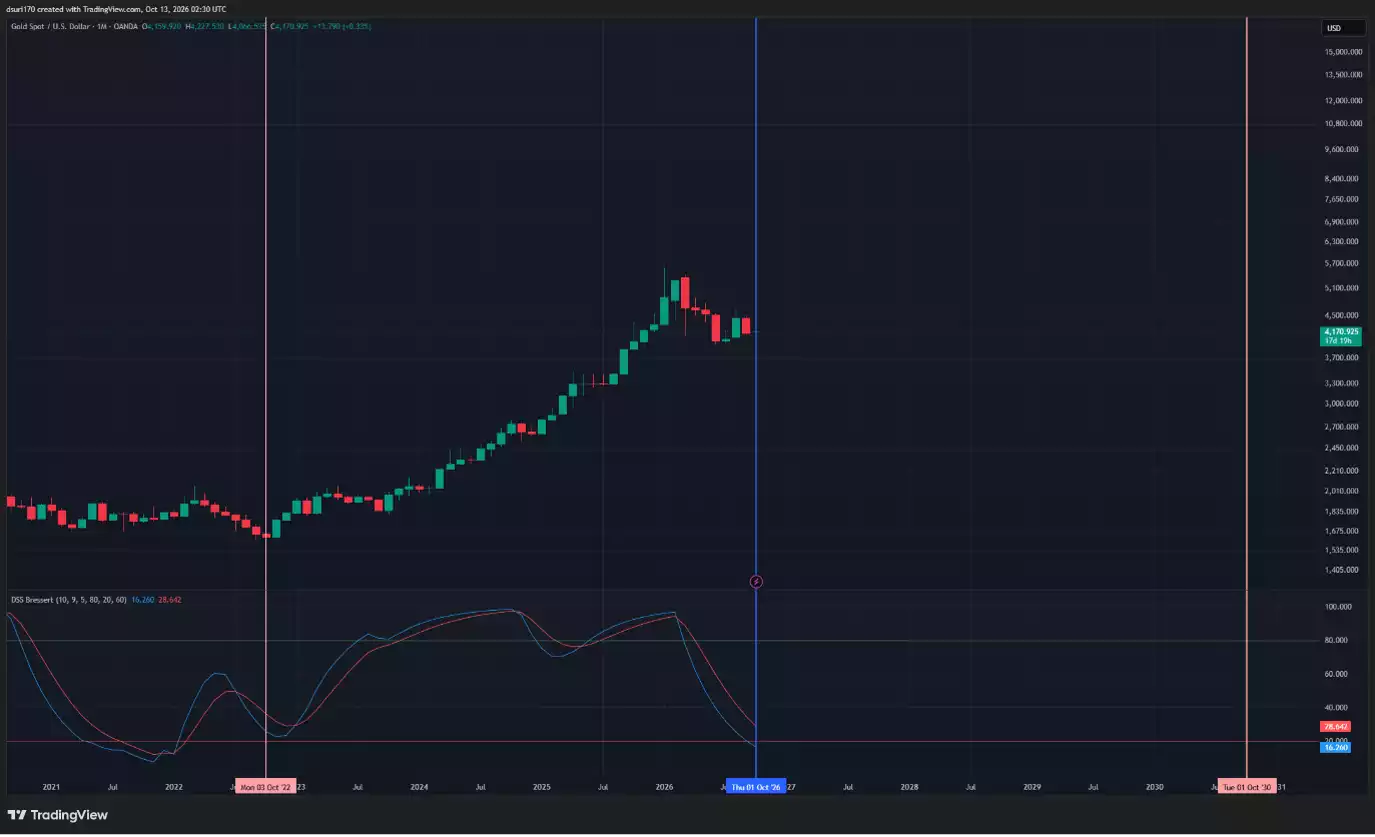
This primes 2027 to potentially be a notably strong year for precious metals, if bond yields and interest rates drop off.
Ainslie Bullion has been helping Australians hold physical gold and silver since 1974, and a cycle measured in years tends to reward accumulating through it rather than timing a single entry.
_______________________________________________
This article is general information only and does not constitute financial advice. Past performance is not indicative of future results. Always conduct your own research or consult a licensed financial adviser before making investment decisions.